Reviewing the Special Forces Lineart Design for Gifts
As an embroidery designer who has spent years testing digital files for real-world application, I approach every new machine embroidery design with a critical eye. It is not just about how the image looks on a screen; it is about how the thread interacts with the fabric, how the design holds up after washing, and most importantly, how it makes the recipient feel. Recently, I had the opportunity to test the Special Forces Lineart Design, a piece that sits within the Military category but offers a surprisingly versatile aesthetic for personalized gift products.
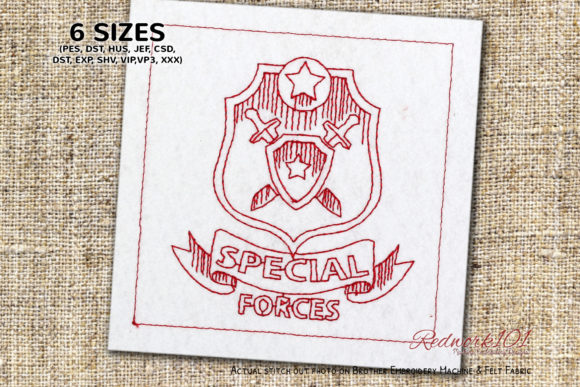
The product description notes that "Special Forces are needed in life, so we can live peacefully," which immediately sets a tone of gratitude and respect. This is not just a graphic; it is a sentiment. The design is described as a thoughtful redwork embroidery, with an optional Box Stitch shown in the preview. For those of us running small shops or selling on Etsy, understanding the nuance of this design is crucial before offering it as a personalized gift.
First Impressions: Mood and Aesthetic Appeal
When I first loaded the embroidery file into my software, I was struck by its clean lines. Redwork, traditionally known for its single-color simplicity, relies heavily on the quality of the digitizing. This design feels classic yet modern. It does not scream aggression; instead, it whispers dignity. The lineart style gives it an elegant, handmade quality that appeals to buyers looking for something understated rather than flashy.
The emotional appeal here is strong. It bridges the gap between military pride and everyday peace. This makes it suitable for a wide range of customers, not just active-duty personnel. It attracts those who value service, protection, and quiet strength. Whether you are creating a handmade product for a veteran’s retirement or a subtle nod to family heritage, the mood is respectful and warm.
Versatility Across Product Categories
One of the strongest assets of the Special Forces Lineart Design is its adaptability. Because it is primarily line-based, it integrates beautifully into various textiles without overwhelming the material. Here is how I envision it performing across different items:
- Baby Embroidery: For a military family, adding this to a baby blanket or nursery item creates a tender connection to a parent’s service. The simplicity ensures it remains sweet and appropriate for a child’s room.
- Kitchen and Home: An embroidered towel or apron featuring this design makes for a unique housewarming gift. The redwork style stands out nicely against white or cream linen, offering a pop of color that is both traditional and chic.
- Wedding Gift: While unconventional, this could be part of a larger commemorative piece for a couple where one partner serves. It adds a layer of personal history to a wedding gift that might otherwise be generic.
- Tote Bags and Pillows: For an Etsy seller, this design works well on canvas tote bags or cotton pillow covers. It serves as a conversation starter and a statement of values.
The key to success with these items is understanding the scale. Since the design is lineart, it needs enough space to breathe. Cramping it onto a tiny surface will lose the detail and the emotional impact.
Technical Considerations for Makers
Before you list this as a small shop product, there are technical factors to address. The description mentions that the Box Stitch is optional. In my testing, I found that including additional stitches like box fills can change the stitch density significantly. If you choose to include it, ensure your fabric can handle the extra thread bulk.
Here are practical steps I recommend for any crafter using this digital embroidery file:
- Test on Scrap Fabric: Never stitch directly on your final product. Use a scrap piece of the same material to check tension and registration.
- Check Thread Color Contrast: Redwork traditionally uses red thread on white fabric, but don’t be afraid to experiment. However, ensure high contrast so the lineart remains visible. Dark thread on dark fabric will hide the details.
- Confirm Hoop Size: The product description does not specify exact dimensions. You must check the file properties in your software to ensure it fits your hoop size. Do not assume it fits a standard 4x4 or 5x7 hoop without verifying.
- Use Proper Stabilizer: For stretchy fabrics like baby clothes or thin towels, a cut-away stabilizer is often safer than tear-away to prevent distortion after washing.
- Fabric Texture Matters: Textured fabrics can break up fine lines. If you are stitching on a thick, plush towel, the delicate lines of the design might get lost. Smooth cotton or linen yields the crispest results.
Navigating Challenges with Delicate Details
While the design is robust, there are areas where caution is needed. Small lettering or intricate details within the lineart can be tricky on textured surfaces. If the design includes any text elements, ensure they are large enough to be legible after stitching. On curved surfaces, such as the sleeve of a onesie or a rounded pillow, hooping stability is vital to prevent puckering.
Additionally, consider the end-use. Products that need frequent washing, like kitchen towels or baby blankets, require secure stitching. Check the small details after the first wash to ensure no threads have loosened. This attention to detail builds customer trust and reduces returns.
Enhancing Perceived Value and Giftability
From a business perspective, the Special Forces Lineart Design adds significant perceived value. It transforms a basic item into a custom embroidery piece with a story. When photographing your finished product, highlight the cleanliness of the stitches and the emotional resonance of the design. A well-stitched redwork piece looks professional and high-end.
For commercial embroidery use, always confirm the licensing terms. The description implies it is for creative projects, but as a seller, you must ensure you have the right to sell finished goods made with this file. Once confirmed, this design can be a staple in your portfolio, appealing to buyers who want meaningful, durable, and beautiful items.
In conclusion, this design is a thoughtful addition to any maker’s library. It respects the subject matter while offering the flexibility needed for diverse Military and civilian applications. By paying attention to fabric choice, stabilizer, and stitch quality, you can create products that truly honor the sentiment behind the art.