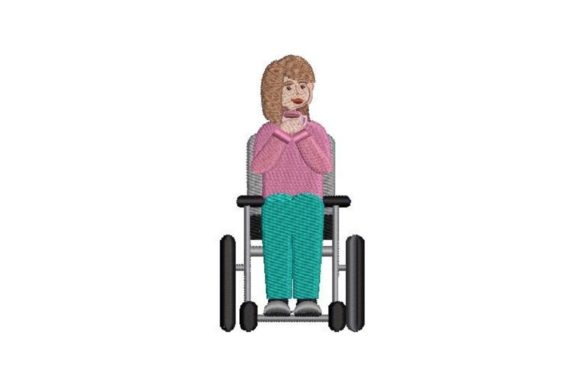
Reviewing the Paraplegic Person Embroidery Design
As an embroidery designer who has spent countless weekends standing behind craft fair booths, I have learned that not every machine embroidery design translates into a bestseller. Some designs look stunning on a screen but fail to capture attention in a busy marketplace. Today, I am putting the Paraplegic Person design under the microscope. This is not just about aesthetics; it is about evaluating whether this piece works as a viable craft fair product for sellers who want to blend awareness with high-quality handmade goods.
First Impressions and Visual Mood
The title Paraplegic Person immediately signals that this is an Awareness category item. In the world of Embroidery, awareness designs can be tricky. They need to strike a balance between being respectful and being visually engaging. Based on the description, which highlights support for those with the courage to navigate life after paralysis, the mood here is one of solidarity and strength rather than pure decoration.
When I visualize this design, I do not see a whimsical or farmhouse aesthetic. Instead, I see a modern, meaningful statement piece. It feels bold and direct. For a boutique maker, this means the design must be executed with precision. It cannot look messy or amateurish, as the subject matter demands a level of dignity and professional finish. The visual appeal relies heavily on clarity. If the design is too cluttered, the message gets lost. If it is too simple, it may not justify the price point of a handmade product.
Product Suitability and Market Fit
Where does Paraplegic Person shine? I believe its strongest application is on items that are visible and personal. A tote bag design is an excellent candidate. Tote bags act as walking billboards, and an awareness design placed centrally on a canvas bag creates immediate conversation. Similarly, apron embroidery can work well if the target audience includes caregivers or medical professionals who want to show support in their daily work environment.
However, I would hesitate to place this on delicate tea towel embroidery projects unless the design is very small and subtle. Kitchen textiles are often associated with lightness and humor, which might clash with the serious nature of the topic. On the other hand, an embroidered patch is a fantastic option. Patches allow customers to add the message to existing jackets, backpacks, or hats, giving them control over how they display their support. This versatility makes it a strong contender for a small shop product lineup.
For Etsy seller accounts, this design could perform well in niche searches related to disability awareness, medical support gifts, or inspirational apparel. When creating your printable mockup or digital listings, ensure the photos show the design on diverse fabrics to highlight its adaptability.
Production Practicalities for Craft Fairs
From a production standpoint, batch efficiency is key. If you are preparing for a weekend market, you need designs that stitch out reliably. The description mentions this is an applique design. Applique is generally favorable for production because it covers large areas with fabric rather than dense stitching, which saves thread and reduces run time. However, you must pay close attention to stitch density in the border and any text elements.
One major consideration is the hoop size. You need to confirm the maximum dimensions of the design before purchasing the digital embroidery file. If the design is large, it may require a 5x7 or 6x10 hoop, which limits the types of items you can produce. Smaller hoops allow for more flexibility with caps and pouches. Always check these details in the product listing before committing to inventory.
Another critical factor is fabric choice. Dark fabrics can make certain thread colors pop, but they can also hide fine details if the contrast is not high enough. For an awareness design, readability is paramount. Test the design on both light and dark fabrics to ensure the message remains clear. If the design includes small lettering, avoid using textured towels or thick fleece, as the texture can distort the letters and make them unreadable.
Technical Challenges and Solutions
- Stabilizer Selection: Since this may be used on various items, use a cut-away stabilizer for stretchy fabrics like t-shirts and a tear-away for stable woven fabrics like tote bags. This ensures the design does not pucker or shift.
- Thread Contrast: Choose thread colors that stand out against the base fabric. High contrast improves visibility from a distance, which is crucial for catching a customer's eye at a busy craft fair.
- Fabric Texture: Avoid highly textured materials for detailed parts of the design. Smooth cotton or canvas provides the best canvas for crisp lines and clear messaging.
- Curved Surfaces: If applying this to caps, be mindful of the curvature. Large, flat designs can distort on curved surfaces. Consider resizing or repositioning the design to fit the natural curve of the cap.
Enhancing Brand Consistency and Value
Incorporating Paraplegic Person into your lineup can strengthen your brand’s commitment to inclusive and meaningful design assets. It shows that your shop supports more than just decorative trends; it supports community and awareness. This emotional connection can increase buyer engagement and perceived value. Customers are often willing to pay more for a finished product that carries a message they believe in.
To maximize this, ensure your booth display reflects the tone of the design. Use clean, organized layouts that allow the item to speak for itself. Pair it with complementary items that share a similar color palette or theme. This creates a cohesive look that draws customers in and encourages them to browse longer.
Final Designer Notes
Before you start mass-producing, take the time to test the design on scrap fabric. Check the spacing between elements and inspect the stitch quality. Create at least one real mockup to see how it looks in person, not just on a screen. Compare different fabric colors to find the most impactful combination. Most importantly, confirm the commercial licensing terms. The description provided does not specify license details, so you must verify with the seller that you are allowed to use this commercial embroidery design for physical goods sold at markets and online.
The Paraplegic Person design has the potential to be a powerful addition to your inventory. It offers a chance to create products that are not only beautiful but also meaningful. By focusing on production quality, clear messaging, and appropriate product selection, you can turn this awareness design into a respected and successful part of your handmade business.