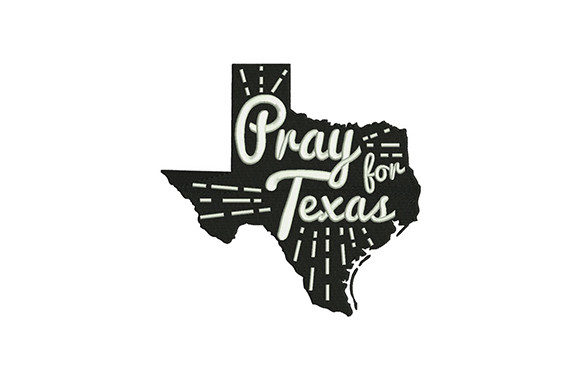
Reviewing the Pray for Texas Sign Embroidery Design
As an embroidery designer who has spent years digitizing and testing files for small business merchandise, I approach every new machine embroidery design with a critical eye. It is not just about whether a pattern looks pretty on a screen; it is about how it performs in the real world of commercial production. Recently, I evaluated the Pray for Texas Sign design, a piece that carries significant emotional weight and regional pride. For boutique owners, Etsy sellers, and apparel decorators, understanding the practical application of this file is essential before committing to bulk production.
First Impressions and Visual Personality
The immediate impression of the Pray for Texas Sign is one of heartfelt sincerity mixed with rustic charm. The title suggests a design that is likely bold and legible, prioritizing message clarity over intricate decorative flourishes. In the context of brand identity, this type of imagery resonates deeply with local communities. It feels handmade and authentic, which is exactly what modern consumers are seeking when they purchase from small businesses. The use of only two colors, as noted in the additional details, indicates a streamlined approach. This simplicity is a major advantage for production speed and cost management, allowing for quick turnaround times on custom apparel and accessories.
While categorized under Independence Day, the sentiment of praying for Texas transcends a single holiday. It speaks to resilience and community support. For a creative studio or a local bakery, incorporating this design into your product line can signal solidarity and local pride, enhancing customer trust and engagement. However, the aesthetic must be handled with care to ensure it remains professional rather than overly casual.
Performance in Real Business Applications
When considering where to apply the Pray for Texas Sign, versatility is key. Here is how this design performs across various small business merch categories:
- Embroidered Patches: This is arguably the strongest use case. A patch allows customers to add the sentiment to existing jackets, bags, or hats without committing to a full garment print. The two-color limit keeps stitch count manageable, ensuring the patch remains flexible and not too stiff.
- Staff Uniforms and Aprons: For cafes and florists, an apron embroidery featuring this sign can serve as a subtle conversation starter. It humanizes the brand and connects staff with local patrons. Ensure the placement is on the chest or lower bib area for maximum visibility without interfering with work tasks.
- Tote Bags and Canvas Goods: A tote bag design using this motif appeals to shoppers looking for meaningful accessories. The bold nature of a "sign" style design translates well to the textured surface of canvas, provided the stabilizer is robust enough to prevent puckering.
- Cap Embroidery: Placing this on the front panel of a cap requires precision. If the design includes fine lettering, it may need simplification. However, if the "sign" aspect is graphic and bold, it works beautifully as a center-front emblem, offering high visibility for commercial embroidery projects.
Navigating Technical Challenges and Fabric Constraints
While the concept is strong, the execution depends heavily on technical factors. As a designer, I always advise checking the stitch density before running a large batch. Designs that mimic signs often have solid fills or thick outlines. On lightweight fabrics like performance tees or thin linen, high density can cause distortion. Always test on a scrap piece of the actual fabric you intend to use.
Another critical consideration is the thread colors. With only two colors specified, contrast is vital. If you are embroidering on dark uniforms, ensure one of the thread colors is light enough to stand out. Conversely, on white tote bags, avoid light pastels that may disappear. The digital embroidery file formats provided—ranging from DST and PES to EXP and JEF—cover most major machine brands, which is excellent for shops with mixed equipment. However, always verify the hoop size compatibility. If the design is large, it may require a 5x7 or larger hoop, limiting its use on smaller items like baby caps or pocket logos.
Be cautious with curved surfaces. Embroidering a rectangular "sign" shape on a curved cap front can lead to gaps or pulling if the hooping technique is not precise. Use a strong cut-away stabilizer for caps and stretchy fabrics to maintain the integrity of the design after washing.
Enhancing Brand Identity and Customer Trust
Incorporating the Pray for Texas Sign into your product lineup does more than add visual interest; it strengthens your brand identity. Customers perceive embroidered items as higher value than printed ones. The texture and dimensionality of embroidery convey quality and permanence. When a customer sees this design on a handmade product, they associate your brand with attention to detail and community values.
This design can also serve as a powerful tool for customer gifts or event merch. For local events or charity drives, offering items with this emblem can boost sales while supporting a cause. It creates an emotional connection, which is crucial for buyer engagement in a crowded marketplace. Ensure that your marketing materials, including printable mockup images, accurately represent the texture and color of the final stitched product to manage customer expectations.
Practical Designer Notes for Production
Before launching this design in your shop, follow these practical steps to ensure a professional finished product:
- Test in Black and White: Before selecting specific thread shades, stitch out the design in black and white. This helps you evaluate the contrast and readability of the "sign" elements without the distraction of color.
- Check Small Patch Viability: If you plan to make small patches, reduce the design size in your software and check for readability. Tiny lettering may merge together if the design is scaled down too far.
- Inspect Spacing and Density: Look at the stitch file in your viewer. Are there long jumps? Is the density too high for the intended fabric? Adjust if necessary to prevent fabric damage.
- Confirm Commercial Licensing: Although the file formats suggest broad compatibility, always confirm the license terms. Ensure you have the right to use the Pray for Texas Sign for commercial sales, especially if you are selling the physical embroidered items rather than just the digital file.
- Create Client Mockups: If you are doing custom work for clients, create a realistic mockup showing the design on their specific garment. This helps them visualize the scale and placement, reducing approval time.
The Pray for Texas Sign is a potent design asset for those who understand its technical requirements and emotional resonance. By respecting the limitations of fabric texture and hoop sizes, and by leveraging the simplicity of its two-color palette, small business owners can create high-value merchandise that stands out. Whether used for Independence Day promotions or year-round community support, this embroidery design offers a blend of professionalism and heart that can elevate any brand’s offerings.