Airplane with Propeller: A Redwork Review for Craft Fairs
As an embroidery designer who has spent countless weekends standing behind booth tables, I have learned that not every design translates well from the screen to a tangible handmade product. When I first loaded the Airplane with Propeller file into my digitizing software, I was looking for something that could bridge the gap between nostalgic charm and modern simplicity. This machine embroidery design immediately caught my eye because of its clean lines and classic redwork aesthetic. For those of us running small shops or selling at local markets, finding a design that is both quick to stitch and visually striking is the holy grail of production efficiency.
First Impressions and Visual Appeal
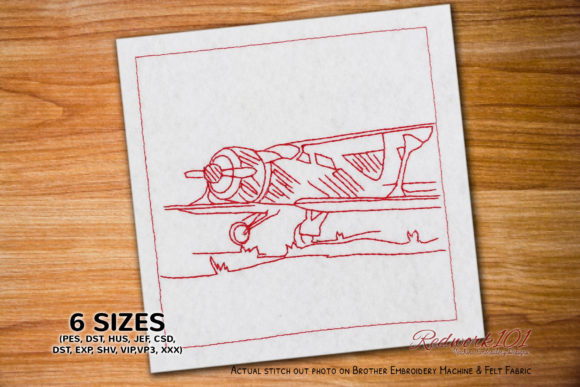
The initial vibe of this Airplane with Propeller motif is undeniably adventurous yet grounded. It does not try too hard to be cute or overly complex. Instead, it relies on the timeless appeal of redwork embroidery, which uses a single thread color to create high-contrast, graphic imagery. This approach makes the design feel bold and minimal simultaneously. In a crowded craft fair environment, where customers are scanning tables rapidly, a clear silhouette like this airplane stands out against busy backgrounds. It feels rustic enough for a farmhouse-style boutique but clean enough for a modern nursery or a travel-themed gift shop.
From a Transportation category perspective, this design avoids the clutter often found in vehicle motifs. There are no tiny wheels or excessive shading that might get lost in the fabric texture. The propeller element adds a sense of motion without requiring dense satin stitches that can pull on lightweight materials. This balance is crucial when you are aiming for a premium look without the premium production time.
Product Versatility for the Weekend Seller
When planning my inventory for a upcoming market, I evaluate designs based on their adaptability. The Airplane with Propeller excels here. Let us break down how it performs across various best-selling items:
- Tote Bag Design: This is perhaps the strongest application. A large-scale version of the airplane centered on a canvas tote creates an instant statement piece. The redwork style looks intentional and artistic rather than just a slapped-on logo.
- Apron Embroidery: Placing the design on the bib of a denim or canvas apron appeals to the "maker" demographic. It suggests a love for vintage aviation and handmade quality.
- Tea Towel Embroidery: Because the description notes it is fun and easy to stitch, this design works beautifully on linen or cotton towels. The open nature of redwork allows the fabric texture to show through, enhancing the handmade feel.
- Embroidered Patch: If you stabilize correctly, this design can be cut out as a patch. Patches are high-margin craft fair products that allow customers to customize their own jackets or bags later.
- Caps and Hats: While possible, curved surfaces require caution. The propeller details must be checked for clarity when scaled down for a cap front.
For Etsy sellers and digital creators, this design also serves as excellent content for printable mockup listings. The clean lines photograph well, allowing you to create compelling design assets for your online store without needing extensive physical samples for every color variation.
Production Practicality and Stitch Density
One of the most critical factors for a small shop product is repeatability. Can I stitch ten of these in an afternoon while managing customer interactions? The answer for Airplane with Propeller appears to be yes. Redwork typically utilizes lower stitch density compared to full-fill designs. This means less thread consumption, faster run times, and reduced risk of fabric puckering.
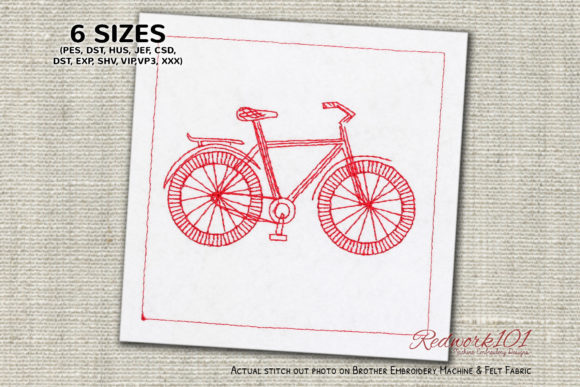
However, practical judgment is required. The description mentions that the Box Stitch shown in the picture is optional. I strongly advise testing this. Sometimes, optional borders add necessary structure to a design, preventing it from looking floating or incomplete. If you skip it, ensure the airplane silhouette is balanced. Additionally, because this is a single-color style, your choice of thread colors becomes the primary design decision. Classic red on white is traditional, but navy on khaki or forest green on cream can elevate the design into a more contemporary palette.
Technical Considerations and Careful Use
Before committing to a large batch of commercial embroidery, there are technical nuances to address. Since the design relies on outline stitches rather than fills, any instability in the hoop will be visible. Always use a high-quality cut-away or tear-away stabilizer appropriate for your fabric texture. Textured towels can swallow small stitches, so ensure the scale is large enough to maintain clarity.
Dark fabrics present a challenge for redwork if you are using traditional red thread. You may need to switch to a brighter color like yellow or white to maintain visibility, or use a backing stabilizer that contrasts with the top thread to prevent shadowing. Also, verify the hoop size compatibility. While the design is likely versatile, confirm that it fits within your standard 4x4 or 5x7 hoops if you plan to produce smaller items like pouches or patches.
Enhancing Brand Consistency and Buyer Engagement
Incorporating Airplane with Propeller into your lineup can strengthen your brand identity if you position it correctly. It speaks to customers who value adventure, nostalgia, and simplicity. When displayed in a booth, group these items together. A stack of embroidered tea towels next to a tote bag with the same motif creates a cohesive visual story. This consistency helps buyers visualize the product in their homes, increasing the likelihood of a sale.
Furthermore, because the design is described as easy to stitch, it is an excellent candidate for beginner-friendly kits if you sell DIY supplies. However, for finished goods, the ease of stitching allows you to keep prices competitive while maintaining healthy margins. It feels like a premium finished product because of the clean execution, not because of complex labor.
Final Designer Notes
Before you list this as a digital embroidery file or start stitching your inventory, take these final steps. First, always test the design on scrap fabric identical to your production material. Check the spacing of the propeller blades to ensure they do not merge during stitching. Second, confirm the commercial licensing terms. The provided description does not specify license details, so you must verify whether the file allows for unlimited physical sales or if there are restrictions. Never assume a digital embroidery file is free for commercial use without explicit permission.
Finally, create at least one real mockup. Photograph the embroidered item in natural light. See how the redwork pops against the fabric. If it looks crisp and inviting in the photo, it will likely convert well online. The Airplane with Propeller is a solid addition to any Embroidery portfolio, offering a blend of aesthetic appeal and production efficiency that serious craft entrepreneurs need.