Silhouette Earrings: A Designer’s Review for Craft Fairs
As an embroidery designer who has spent countless weekends behind a booth table, I know that not every design translates into sales. Some patterns look beautiful on a screen but fall flat in person. Today, I am reviewing Silhouette Earrings, a machine embroidery design that caught my eye for its potential in the handmade market. This is not just about aesthetics; it is about practicality, production speed, and customer appeal.
First Impressions and Visual Appeal
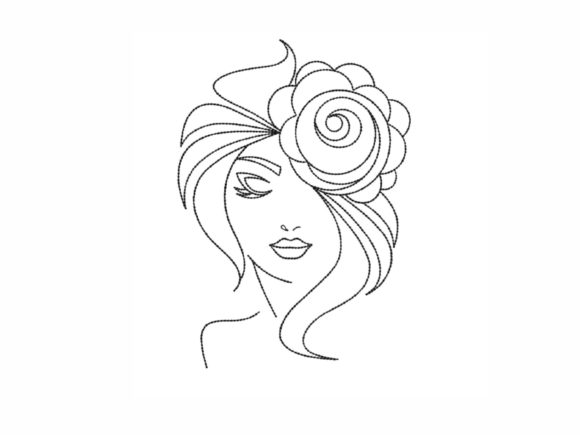
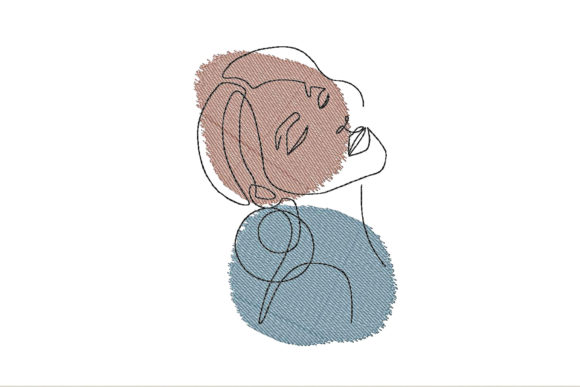
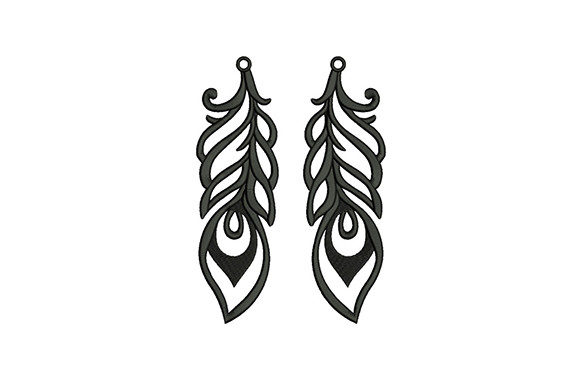
When I first loaded the Silhouette Earrings file into my software, the immediate impression was one of modern minimalism. The title suggests a focus on shape and form rather than intricate internal detailing. In the world of Beauty and fashion accessories, silhouettes are powerful because they are instantly recognizable. This design feels elegant and contemporary, avoiding the clutter that can sometimes plague digital embroidery files.
The fact that this design uses only one color is a significant advantage for craft fair sellers. It simplifies the production process and reduces thread changes, which is crucial when you are batch-producing items for a busy weekend market. The single-color approach gives it a clean, graphic look that pairs well with various fabric textures. It does not scream "rustic" or "farmhouse" exclusively; instead, it sits comfortably in a modern, chic category that appeals to a broad demographic of boutique shoppers.
Product Versatility for Handmade Sellers
The true test of any embroidery file is its versatility. Can it work on a tote bag? Yes. Does it look good on a cap? Absolutely. Here is how I envision using Silhouette Earrings across different product lines:
- Tote Bags and Market Bags: Placed centrally or near the bottom corner, this design acts as a subtle branding element or a stylish accent. It transforms a plain canvas bag into a craft fair product that feels curated.
- Aprons and Tea Towels: For kitchen textiles, the silhouette adds a touch of personality without overwhelming the utility of the item. It works particularly well on solid-colored linens where the contrast can shine.
- Embroidered Patches: This is perhaps the strongest application. A small, dense silhouette makes for an excellent iron-on or sew-on patch. Patches are high-margin, low-effort items that sell quickly at booths.
- Caps and Beanies: Because the design is likely compact and focused, it fits well on curved surfaces. However, care must be taken with hoop placement to ensure the shape remains undistorted.
- Pillow Covers: As a focal point on a neutral pillow, it adds an artistic flair that elevates the perceived value of the finished product.
Production Practicality and Batch Selling
For Etsy sellers and small shop owners, time is money. The single-color nature of Silhouette Earrings means less downtime between stitches. When preparing for a craft fair, I need designs that are repeatable. This design appears to have a straightforward path, which suggests consistent results across multiple units. Consistency is key to maintaining brand quality.
Photography is another critical factor. Simple, bold shapes photograph better than complex, multi-colored designs because they do not get lost in shadows or lighting variations. When creating listings for your online store, this design will look crisp in thumbnail images. It also lends itself well to creating a printable mockup for social media previews, allowing you to showcase the design on various products before you even stitch a single thread.
Technical Considerations and Careful Use
While the design is promising, there are technical aspects to consider before committing to full production. Since the specific stitch count and exact dimensions are not provided in the brief description, you must check these details in your embroidery software. Here are my professional notes for optimizing this design:
- Stitch Density: Silhouette designs can sometimes be too sparse, leading to fabric show-through, or too dense, causing puckering. Check the density settings. If it is too light, consider adding a satin border or underlay stitches to reinforce the shape.
- Fabric Texture: This design will look best on smooth fabrics like cotton twill, canvas, or linen. Avoid highly textured towels or fuzzy fleece, as the clean lines of the silhouette may get lost in the pile.
- Stabilizer Choice: Use a cut-away stabilizer for garments that will be washed frequently, such as aprons and caps. For tote bags, a heavy tear-away might suffice, but always test first.
- Thread Contrast: Since it is a one-color design, thread choice is everything. High-contrast threads (like white on black or gold on navy) will make the silhouette pop. Low-contrast choices may render the design invisible from a distance.
- Small Details: If the silhouette includes tiny protrusions or thin lines, ensure they are wide enough to stitch out cleanly. Tiny details can break or look messy if the needle penetrates the same spot repeatedly.
File Formats and Compatibility
One of the strongest selling points of this digital embroidery file is the extensive list of supported formats. It includes DST, PES, JEF, EXP, HUS, VIP, VP3, and many others. This ensures compatibility with almost every major embroidery machine brand, from Brother and Babylock to Janome and Husqvarna Viking. For commercial embroidery businesses, having access to formats like ART and CND is also beneficial for older industrial machines.
Before selling any commercial embroidery products, always verify the license terms included with the download. Most designers allow the sale of finished physical goods, but restrictions may apply to sharing the digital file itself. Ensure you are compliant to protect your business.
Final Verdict for Craft Fair Success
Silhouette Earrings is a strong contender for your next collection. It balances aesthetic appeal with production efficiency. It is not just an Embroidery pattern; it is a versatile asset that can elevate simple goods into desirable handmade products. By focusing on high-contrast fabrics and ensuring proper stabilization, you can create items that stand out in a crowded booth.
My advice is to start small. Stitch a few samples on different materials. Create a real mockup by attaching a patch to a denim jacket or embroidering a tote bag. See how it looks in natural light. If the silhouette holds its shape and catches the eye from three feet away, you have a winner. This design offers the simplicity needed for quick turnover and the elegance required for premium pricing. It is a smart addition to any embroidery designer’s toolkit.