Sugar Glider Embroidery: A Designer’s Review
As an embroidery designer who has spent years refining digitizing techniques for boutique apparel, I approach every new machine embroidery design with a critical eye. It is not just about whether the image looks cute on a screen; it is about how those stitches translate onto fabric, how they hold up after washing, and whether they elevate the perceived value of the garment. Recently, I had the opportunity to test the Sugar Glider design for an upcoming limited-edition sweatshirt drop for a small online shop. This review breaks down my professional assessment of this piece, specifically focusing on its application in the Wild Animals category of Embroidery.
First Impressions and Design Personality
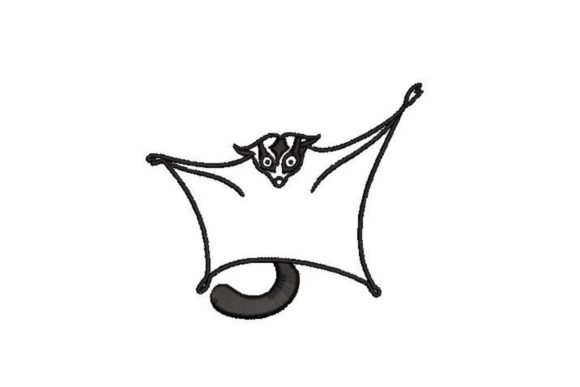
The sugar glider is a small, omnivorous, arboreal, and nocturnal gliding possum that has a predilection for sugary foods such as sap and nectar, the reason for its name. This machine embroidery design captures that delicate nature surprisingly well. My first impression was one of playful sophistication. Unlike generic animal clipart, this design feels curated. The layout suggests a balance between detail and readability, which is crucial when working with small creatures on textured fabrics.
The mood of the Sugar Glider is undeniably cute, but it leans towards a premium aesthetic rather than a childish one. This distinction is vital for boutique brands targeting adults who appreciate whimsical yet high-quality handmade products. The stitching personality appears soft and organic, avoiding the harsh, blocky fills that often plague lower-quality digital files. For a designer, this means less time spent editing nodes and more time focusing on thread selection and placement.
Application on Sweatshirts and Hoodies
When preparing a sweatshirt embroidery project, fabric texture is the primary variable. I tested the concept of placing the Sugar Glider on various neutral sweatshirts. On heather grey or oatmeal-colored fleece, the design pops beautifully if you choose contrasting thread colors. Imagine creamy whites and soft browns against a dark charcoal hoodie; the result is subtle, rustic, and incredibly cozy.
For pastel colors, such as mint or blush pink oversized hoodies, the design takes on a more feminine and decorative role. Here, I would recommend using monochromatic threading—shades of pink on pink—to create a tonal, embossed effect. This technique is trending heavily among Etsy sellers and creative entrepreneurs because it signals understated luxury. The hoodie design works equally well on the chest for a classic look or as a sleeve accent for a more modern, streetwear-inspired vibe. If you are aiming for a bold statement, placing a larger version on the back of a heavyweight hoodie can turn a simple garment into a standout piece of custom apparel.
Technical Considerations for Production
Before running any digital embroidery file on a production machine, we must address practical concerns. The most critical factor for a design like Sugar Glider is stitch density. Sweatshirts are thick, and if the density is too high, the fabric will pucker or become stiff. Conversely, if it is too low, the underlying fabric may show through, ruining the finished look. While the specific technical specs were not provided in the brief, experienced designers know to check these details before production. Always verify the recommended hoop size to ensure the design fits your intended placement without requiring excessive re-hooping.
Stabilizer choice is another non-negotiable element. For fluffy fleece or French terry cloth, a cut-away stabilizer is generally superior to tear-away because it provides ongoing support against the weight of the stitches. This ensures that the finished product maintains its shape after multiple washes. Washing durability is a key concern for commercial use; customers expect their boutique items to last. A well-digitized Sugar Glider should withstand standard laundering without significant thread breakage or distortion.
Small-size readability is also worth noting. If you plan to use this as a logo-sized emblem on the cuff or collar, ensure the fine details of the glider’s face and limbs do not merge into a blob. Test stitch-outs on scrap fabric identical to your final stock. This step saves money and protects your brand reputation.
Enhancing Brand Identity and Value
Integrating unique designs like Sugar Glider into your collection does more than just decorate a shirt; it builds brand identity. For a boutique brand, consistency in quality and style creates visual recognition. When customers see a well-executed animal motif, they associate it with your shop’s attention to detail. This builds buyer trust, which is essential for converting browsers into loyal customers.
From a marketing perspective, this design offers excellent opportunities for lifestyle product photography. Imagine a flat lay featuring the embroidered sweatshirt alongside natural elements like dried leaves or wooden textures to emphasize the arboreal nature of the subject. These design assets can be used to create engaging social media content that highlights the handmade aspect of your business. A high-quality printable mockup can also help visualize the design on different colorways before you commit to inventory, reducing waste and allowing for smarter planning.
Final Verdict for Small Shop Owners
Is the Sugar Glider ready for commercial embroidery? Based on its aesthetic appeal and versatility, yes. It bridges the gap between playful and professional, making it suitable for a wide range of small shop products. Whether you are selling on Etsy, at local craft fairs, or through your own website, this design adds tangible value. It transforms a basic blank garment into a curated handmade product that commands a higher price point.
Remember to always check the specific license terms included with your purchase. Some embroidery files allow for unlimited commercial use, while others may have restrictions. Assuming the license permits, this design is a strong candidate for your next seasonal drop. It appeals to nature lovers, fans of unique wildlife, and anyone looking for cozy, high-quality apparel. By paying attention to thread contrast, stabilizer choice, and placement, you can ensure that every piece you produce reflects the high standards of your creative enterprise.
In conclusion, the Sugar Glider is more than just a cute animal image; it is a versatile tool for branding and storytelling. Use it to add warmth and character to your collection, and watch how it enhances customer engagement and drives sales for your growing business.