Licensed to Sell: A Designer’s Review for Craft Fair Success
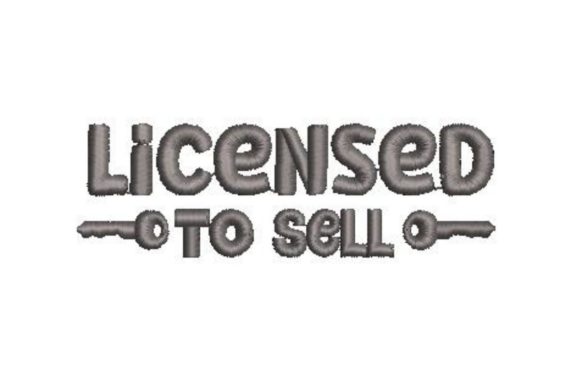
As an embroidery designer who has spent countless weekends behind a booth table, I know that not every machine embroidery design translates into a bestseller. We often get caught up in the technical perfection of a file, forgetting the most important metric: does it stop a scrolling thumb or a walking customer? Today, I am reviewing Licensed to Sell, a playful and thematic design tailored for the real estate and sales community. This is not just another cute graphic; it is a strategic asset for your small shop product lineup if positioned correctly.
First Impressions and Market Fit
When I first loaded the digital embroidery file for Licensed to Sell, my immediate reaction was that it hits a sweet spot between professional pride and personal humor. The description suggests sewing it onto a nice t-shirt as a gift for friends who sell houses. While apparel is a classic choice, my experience tells me that this specific niche—real estate agents, loan officers, and sales professionals—craves items that are both functional and conversation-starting.
The vibe of this design feels modern yet approachable. It is not overly rustic or strictly farmhouse, nor is it cold and corporate. It sits comfortably in the "clever casual" category. For a craft fair seller, this means the design has broad appeal. It works beautifully as a handmade product because it speaks directly to a specific identity. People love wearing or using items that declare what they do with a wink of humor. If you are an Etsy seller or a boutique maker, this design offers a clear target audience, which is half the battle in marketing.
Product Application and Versatility
The true test of any embroidery file is its versatility across different substrates. Licensed to Sell is described as coming with multiple embroidery files, which usually implies various hoop sizes. This is crucial for batch production. Here is how I envision this design performing across different craft fair product categories:
- Tote Bag Design: A canvas tote with this design centered is a winner. Real estate agents are always carrying brochures, lockboxes, and gifts for clients. A sturdy tote with a witty slogan becomes a walking billboard for their brand.
- Apron Embroidery: Think beyond the kitchen. Consider stage aprons or workshop aprons for open houses. The design adds a layer of personality to an otherwise utilitarian item.
- Tea Towel Embroidery: This is a high-margin, low-cost item. A set of two tea towels with this motif makes for an excellent closing gift that agents can give to new homeowners.
- Embroidered Patch: If the design scales down well, turning it into an iron-on or sew-on patch allows customers to customize their own jackets or bags. This increases perceived value without increasing your production time significantly.
- Caps and Beanies: Headwear is tricky due to curvature, but a small, clean version of this design on the front panel of a cap can be very popular for casual Fridays at the office.
For those creating printable mockup assets for online listings, this design photographs well because it likely relies on clear lines and legible text. Ensure your mockups show the texture of the thread to emphasize the finished product quality.
Production Practicalities and Technical Notes
From a production standpoint, we need to talk about what happens under the needle. Since the prompt mentions "multiple embroidery fi," I assume there are size variations. However, without exact stitch counts or specific format details in the provided text, you must verify these before committing to a large run. Here are my critical notes for producing Licensed to Sell effectively:
Stitch Density and Fabric Texture: Check the stitch density of the design. If it is too dense, it may cause puckering on lightweight fabrics like standard t-shirts or thin tea towels. Always use the appropriate stabilizer. For knits, a cut-away stabilizer is non-negotiable to prevent distortion after washing. For woven fabrics like tote bags, a tear-away might suffice, but test first.
Thread Colors and Contrast: The success of this design hinges on readability. If the design includes lettering, ensure there is high contrast between the thread colors and the fabric. A dark thread on a dark navy tote will vanish. Stick to classic combinations like white on black, navy on cream, or bold primary colors if the design allows. Avoid overly complex color blends that might muddy the message from a distance.
Hoop Size and Placement: Confirm the hoop size required for each version of the file. If you are making patches, you need a smaller hoop setting. If you are doing full-front tote bags, you need a larger frame. Consistency in placement is key for brand consistency. Use templates to ensure every item looks professional and uniform.
Small Details: Be wary of tiny details if you plan to scale the design down for pockets or hats. Small lettering can become illegible if the stitches are too close together or if the thread is too thick. Always stitch out a test sample on scrap fabric that matches your final product material.
Maximizing Sales and Visual Appeal
Why does Licensed to Sell work for commercial embroidery? Because it solves a gifting problem. Buying gifts for colleagues or clients is stressful. This design offers a ready-made solution that feels thoughtful and personalized. When displaying this at a craft fair, group these items together. Create a "Realtor Gift Guide" section in your booth. Place the tote bags next to the tea towels and the patches near the caps. This cross-merchandising encourages buyers to purchase multiple items.
The visual appeal of this design lies in its clarity. In a busy market environment, customers scan tables quickly. A design that is easy to understand at a glance performs better than one that requires explanation. Licensed to Sell communicates its message instantly. This immediacy drives impulse buys.
Furthermore, consider the design assets you create around this product. Use lifestyle photos showing a real estate agent holding the tote bag or wearing the apron during an open house. Context sells. Show the item in use. This helps the buyer visualize the utility and emotional connection of the handmade product.
Final Verdict for the Creative Entrepreneur
In the world of Work and Embroidery, finding designs that bridge the gap between professional identity and personal style is rare. Licensed to Sell achieves this balance. It is not just a decoration; it is a statement piece. For the embroidery business owner, it represents a low-risk, high-reward addition to your catalog. It is repeatable, scalable, and targets a demographic with disposable income.
Before you list this on your shop or load it into your machine for the weekend fair, remember to check the commercial licensing terms included with your download. Ensure you are compliant with the creator's rules regarding mass production versus handmade limited runs. Once cleared, treat this design as a staple. Test it on various fabric texture types, refine your thread palette, and watch it become a consistent seller in your lineup. It is a solid choice for anyone looking to add a touch of professional wit to their craft fair product offerings.