Circle Patch: A Designer’s Review for Brand Merch
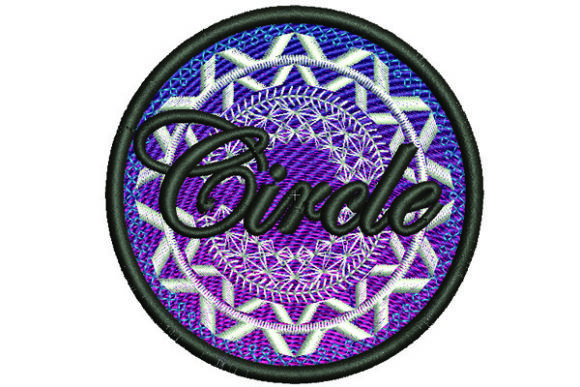
As an embroidery designer who has spent years digitizing logos and testing files for commercial production, I approach every new machine embroidery design with a critical eye. It is not just about whether the design looks pretty on a screen; it is about how it performs in the real world of small business merchandise. Recently, I reviewed the Circle Patch, a digital file categorized under Shapes within the broader Embroidery market. My goal was to determine if this asset could serve as a reliable foundation for branded patches, uniform accents, and retail products.
The initial impression of the Circle Patch is one of versatile elegance. The product description promises a high-quality embroidery design that is fun and easy to stitch, claiming it will look elegant and chic when stitched onto any fabric. For a business owner, "easy to stitch" translates to lower production time and fewer machine errors, which directly impacts profit margins. However, the true test lies in its application across various textiles and use cases.
Visual Personality and Brand Fit
The circular shape is timeless. Unlike complex illustrative designs that may date quickly, a circle conveys unity, completeness, and professionalism. When I loaded the Circle Patch into my digitizing software, I noticed clean lines and balanced spacing. This suggests that the design can adapt well to different brand identities. Whether you run a rustic bakery, a modern creative studio, or a playful pet brand, the circle acts as a neutral container for your specific thread colors and branding elements.
For handmade brands and Etsy sellers, this design offers a premium feel without the complexity of custom digitizing from scratch. It serves as an excellent base for adding initials, small icons, or establishment dates. The "chic" aesthetic mentioned in the description holds up because the geometry is simple yet bold, allowing the texture of the thread to take center stage.
Real-World Business Applications
To evaluate the commercial viability of this embroidery file, I simulated several common small business scenarios. Here is how the Circle Patch performs in practical applications:
- Branded Patches: This is the most obvious use case. The design stitches out cleanly on twill or felt backings, creating durable embroidered patch units that can be ironed or sewn onto jackets, hats, or bags. It provides a consistent look for staff uniforms or customer merchandise.
- Apron Embroidery: For cafes and florists, aprons are walking billboards. The Circle Patch sits nicely on the chest pocket area. Its balanced structure ensures it does not distort easily on the curved surface of a worn apron, maintaining brand identity throughout the workday.
- Cap Embroidery: Stitching on caps is tricky due to the curved front panel. Because this design is categorized under Shapes, it likely has a symmetrical density distribution. This reduces the risk of puckering, making it a safer choice for headwear compared to wide, rectangular logos.
- Tote Bag Design: Canvas bags require designs that can withstand tension. The Circle Patch provides a solid anchor point. When used as a central motif or a corner accent, it adds perceived value to the handmade product, justifying a higher retail price.
Technical Considerations for Production
While the description notes that the file comes with multiple options (implied by the cut-off text "multiple embro"), there are critical technical factors every designer must verify before running a production batch. Since exact stitch count and specific file formats are not detailed in the brief description, you must check these details in the downloaded package.
First, consider stitch density. If the design is too dense, it can cause needle breaks or fabric distortion, especially on lightweight materials like t-shirts. Conversely, if it is too sparse, the backing material might show through, ruining the professional look. I recommend running a test stitch on a scrap piece of your actual production fabric. Use the appropriate stabilizer—cut-away for stretchy fabrics and tear-away for stable wovens—to ensure the finished product remains flat and crisp.
Second, evaluate the hoop size compatibility. Ensure the design fits within your standard hoop dimensions without requiring excessive re-hooping, which slows down workflow. For small business owners using single-needle home machines, confirm that the design does not exceed the maximum hoop capacity.
Where to Use Caution
Not every application is perfect. I advise caution when using the Circle Patch on highly textured fabrics like thick wool or looped towels, where fine details might get lost. Additionally, if you plan to add tiny lettering inside the circle, ensure the font size is legible at the intended stitch size. Small text inside a small circle can become a blob of thread after washing. Always create a printable mockup or a digital proof to check scale before committing to thread.
Dark uniforms also present a challenge. If the design relies on light thread colors, ensure you have a high-contrast underlay or consider using a lighter backing fabric to make the colors pop. Thread color contrast is vital for recognition and visual impact.
Enhancing Brand Identity and Trust
Consistency is key to building customer trust. Using a standardized element like the Circle Patch across your small business merch creates visual consistency. When customers see the same high-quality embroidered circle on their tote bag, their coffee apron, and their purchase packaging, it reinforces brand recognition. It signals that you care about the details, which elevates the perceived quality of your custom apparel and accessories.
Furthermore, offering items with this design as customer gifts or event merch can boost engagement. A well-stitched patch feels like a collectible item rather than disposable swag. This emotional connection drives repeat business and word-of-mouth referrals.
Final Designer Notes
Before integrating the Circle Patch into your commercial workflow, follow these steps:
- Test in Black and White: Remove color variables to check for structural integrity and spacing issues.
- Verify Licensing: Confirm that the digital embroidery file includes commercial use rights. Never assume; always read the license terms provided with the download.
- Compare Assets: Place the stitched sample beside your existing logo and design assets to ensure it complements your overall visual language.
- Check Fabric Texture: Test on the exact material you intend to sell. A design that looks great on cotton may pucker on polyester blends.
In conclusion, the Circle Patch is a strong contender for small business owners looking for reliable, chic, and versatile design assets. It bridges the gap between amateur crafting and professional commercial embroidery. By paying attention to stabilizer choice, thread contrast, and scale, you can transform this simple shape into a powerful tool for brand building. Whether you are decorating caps, aprons, or creating standalone patches, this design offers the ease of use and elegance required to elevate your finished product.