Baby Feeding Bottle: A Designer’s Review for Real Projects
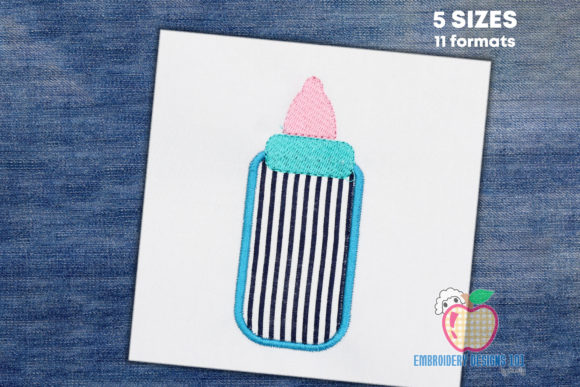
As a designer who has spent countless hours staring at digitizing software and even more time watching needles punch through fabric, I have learned to look past the flashy preview images. When I evaluate a new machine embroidery design, I am not just looking at aesthetics; I am looking for reliability, stitch logic, and commercial viability. Recently, I spent some time analyzing the Baby Feeding Bottle design, and I want to share my practical insights on how this asset performs in real-world scenarios.
The first impression of Baby Feeding Bottle is one of approachable charm. It captures the essence of the Babies category without relying on overly complex shading or fragile details that might get lost in production. The mood is playful yet clean, making it an ideal candidate for a wide range of embroidery project types. For those of us running a craft business or selling as an Etsy seller, finding designs that balance cuteness with durability is half the battle. This design seems to hit that sweet spot, offering a visual personality that feels modern enough for boutique branding but classic enough for traditional gift-giving.
Visual Appeal and Stitch Logic
When I zoom in on the embroidery file, I look immediately at the transition between color blocks. In a design like this, which likely utilizes a mix of satin stitch for outlines and fill stitch for the body of the bottle, the density management is critical. If the stitch count is too high, you risk puckering thin fabrics; if it is too low, the fabric background shows through, ruining the crispness of the image.
The Baby Feeding Bottle appears to use a balanced approach. The curves of the bottle shape are handled smoothly, suggesting that the digitizer paid attention to the angle of the stitches to prevent gaps on curved surfaces. This is particularly important if you plan to use this on rounded items like baby bottles themselves (as a decorative label), caps, or curved seams on onesies. The use of thread colors in the preview suggests a vibrant palette, which is essential for catching the eye in a crowded marketplace. However, as a professional, I always recommend testing these colors against your specific thread brand, as saturation levels can vary significantly between manufacturers.
Real-World Application Scenarios
Let’s move beyond theory and talk about where this design actually shines. I recently considered using a similar motif for a custom order involving a set of burp cloths and bibs. The Baby Feeding Bottle design is perfectly scaled for these smaller items. Because it is described as colorful and cute, it adds immediate value to simple white or pastel cotton terry cloth. The contrast between the bright embroidery and the soft texture of the towel creates a high-perceived value handmade product.
Beyond baby-specific items, this design has surprising versatility in custom apparel. Imagine it embroidered on the chest pocket of a denim jacket for a "cool parent" look, or as a small accent on a canvas tote bag design for a diaper bag. It also works exceptionally well for sweatshirt embroidery, where the thicker fabric can support the weight of the stitches without distorting. For holiday embroidery projects, such as Christmas gifts for new parents, this motif serves as a neutral yet thematic element that doesn't scream a specific holiday, allowing it to be gifted year-round.
Considerations for Difficult Fabrics
While the design is robust, no digital embroidery file is immune to the challenges of difficult substrates. If you are planning to stitch this on stretchy knits, you must use a high-quality cut-away stabilizer. The fill areas in the bottle design will pull on the fabric if not properly supported. Similarly, if you are working with textured fabrics like fleece or minky, the smaller details might get swallowed by the pile. In such cases, I recommend increasing the satin stitch width slightly or adding a backing layer to ensure the design remains legible.
Another area requiring caution is dark fabric. If the design relies on light thread colors for highlights, stitching on black or navy blue garments may require an underlay stitch or a white base layer to prevent the fabric color from dulling the vibrancy of the top threads. Always run a test stitch on a scrap piece of your actual production fabric before committing to a final finished product.
Commercial Viability and Branding
For small shop product lines, consistency is key. The Baby Feeding Bottle offers a consistent aesthetic that can be paired with other baby-themed motifs to create a cohesive collection. This helps in building brand recognition. When customers see a clean, well-stitched design repeatedly, they associate that quality with your brand. This builds trust, which is crucial for converting browsers into buyers on platforms like Etsy or at local craft fairs.
From a marketing perspective, this design lends itself well to printable mockup creation. Because the shape is distinct and recognizable, it photographs well. You can easily create lifestyle images showing the design on various products, helping potential customers visualize the personalized gift potential. Whether it is for a baby shower present or a welcome-home gift, the emotional connection to the theme of nurturing and feeding adds a layer of sentimentality that drives sales.
Practical Designer Notes
Before you load this design into your machine, here are a few final checks to ensure success:
- Check the License: The description mentions the design comes with certain files, but always confirm the specific license terms. Ensure you are cleared for commercial embroidery if you plan to sell physical items featuring this design.
- Verify Hoop Size: Confirm that the design fits within your standard hoop sizes. While it looks suitable for small hoops, double-check the dimensions against your machine’s capabilities to avoid resizing, which can distort stitch density.
- Test Stitch Density: Run a test on a similar weight fabric to your final product. Check for thread breaks or bird nests, which can indicate areas where the digitizing might be too dense for your specific machine tension settings.
- Color Contrast: Create a black and white mockup of the design. If the details disappear in grayscale, you may need to adjust your thread choices to ensure better definition on low-contrast fabrics.
In conclusion, Baby Feeding Bottle is a solid addition to any designer’s library of design assets. It balances aesthetic appeal with practical stitch engineering, making it a reliable choice for both hobbyists and professional apparel decorators. By paying attention to fabric choice, stabilizer selection, and thread quality, you can leverage this design to create high-quality, marketable products that resonate with customers looking for thoughtful, handmade items.